Elevating Patriotic Decor: A Practical Guide to the Home Sign USA 3D Shadow Box Papercut
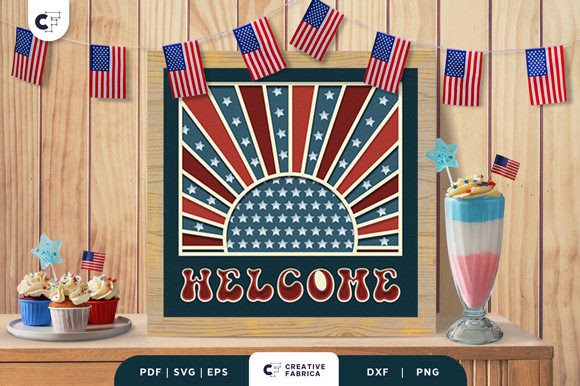
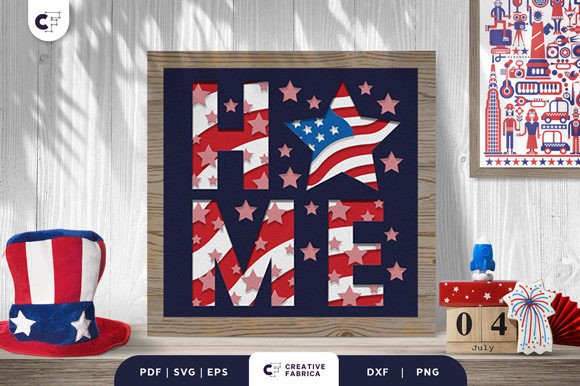
Integrating high-impact visual elements into a creative workflow requires more than just selecting an image; it demands an understanding of materials, layering techniques, and final presentation. The Home Sign USA 3D Shadow Box Papercut represents a specific intersection of digital design and physical craftsmanship, ideal for creators looking to produce professional-grade patriotic decor. This project centers around the "Star Spangled Banner" design, where bold letters spelling "HOME" are set against a United States flag background. For professionals and hobbyists alike, this asset serves as a versatile component in a broader production pipeline, whether for personal home enhancement, small business inventory, or educational demonstrations of layered design principles.
When planning a summer party or a seasonal display, the execution phase often bottlenecks at the material selection and assembly stages. This specific 3D SVG file streamlines that process by providing a pre-engineered structure. The design delivers a clear message—that the United States will always be a beloved home—through a sophisticated visual hierarchy. Unlike flat prints, this project relies on depth. The workflow begins before the cutting machine ever powers on. It involves assessing the intended environment, determining the scale, and securing the necessary substrates. The final dimensions of 20.32×20.32 cm offer a substantial presence without overwhelming standard wall spaces or tabletop displays, making it a scalable solution for various interior design contexts.
Workflow Integration and Material Preparation
In any production cycle, compatibility between digital assets and physical tools is paramount. The Home Sign USA 3D Shadow Box Papercut is designed to integrate seamlessly with industry-standard cutting machines such as Cricut or Silhouette. However, the success of the final output depends heavily on the preparation of materials. The design utilizes five distinct layers to achieve its shadow effect. Managing these layers requires an organized approach to weeding, stacking, and adhesion.
For optimal results, the choice of cardstock is critical. The recommended material is Encore Cardstock 80 lb cover (216 gsm). This specific weight provides the necessary rigidity to hold the 3D shape without warping, while still being thin enough to cut cleanly on most desktop machines. Using lighter paper may result in a flimsy structure that fails to cast the intended shadows, while heavier board might strain the blade or require multiple passes, risking edge quality. Professionals should view the cardstock not merely as paper, but as a structural component of the build. Sourcing this material through reliable suppliers, such as the 12×12 Cardstock Shop, ensures consistency in color and texture, which is vital for maintaining brand quality if these items are being produced for sale.
The preparation phase also involves deciding on the finishing elements. While the core design stands on its own, integrating LED lights or a decorative frame can elevate the piece from a craft project to a polished product. If lighting is part of the plan, the workflow must account for wire management and power sources during the assembly stage, rather than trying to retrofit them later. This forward-thinking approach prevents rework and ensures a clean final aesthetic.
Execution: From Digital File to Physical Asset
Once the materials are procured, the execution phase begins. The Home Sign USA 3D Shadow Box Papercut file is available in multiple formats—including SVG, PDF, EPS, PNG, and DXF—to ensure compatibility across different software ecosystems. Whether you are using vector-based design tools for customization or direct-to-machine software, having access to these varied formats reduces friction in the workflow. The five-layer structure is pre-arranged to create depth, but the assembler must understand the order of operations.
The assembly process relies on precise spacing. To achieve the signature shadow box look, 3D adhesive, such as foam double-sided tape, is applied between each layer. This step is where the "3D" effect is physically realized. In a production environment, consistency in the thickness of the adhesive strips is crucial. Uneven spacing can distort the visual perspective of the flag background behind the "HOME" lettering. A practical tip for efficiency is to cut all layers for multiple units before beginning assembly. This batch-processing method allows the creator to stay in a single mental mode—cutting, then weeding, then adhering—rather than switching tasks repeatedly, which often leads to errors.
During assembly, attention to detail regarding the alignment of the United States flag background is essential. Since the bold letters act as a window or a foreground element, any misalignment in the background layers will be immediately visible. Using registration marks or a light table can aid in this precision. For entrepreneurs selling these pieces, implementing a quality control checkpoint after the adhesive is applied but before the final framing ensures that no dust or stray fibers are trapped between the layers, which would be difficult to remove once sealed.
Strategic Applications and Use Cases
The utility of the Home Sign USA 3D Shadow Box Papercut extends beyond simple decoration. For educators, this project serves as an excellent case study in spatial reasoning and layer management. It demonstrates how two-dimensional inputs can generate three-dimensional outputs through strategic stacking. In a classroom or workshop setting, guiding students through the file formats (SVG vs. PNG) and the physical constraints of paper weight provides hands-on learning about digital fabrication limits and possibilities.
For marketers and small business owners, this asset fits into seasonal campaign strategies. Leading up to summer holidays, having a ready-to-produce design allows for rapid inventory turnover. Because the file is digital, there is no need for physical storage of designs; the "inventory" exists on a hard drive until demand triggers production. This just-in-time manufacturing model reduces overhead and waste. Furthermore, the ability to customize the cardstock color or frame style allows businesses to offer variations without needing new design files, adding value to the customer offering.
Freelancers and bloggers can also leverage this project for content creation. Documenting the process—from unboxing the cardstock to the final reveal of the lit shadow box—provides engaging visual content for social media channels. The "Star Spangled Banner" theme naturally aligns with national holidays, making it a timely topic that drives engagement. By sharing tips on adhesive types or framing choices, creators establish authority and trust with their audience, adhering to E-E-A-T principles by demonstrating actual experience with the product.
Long-Term Durability and Maintenance
When considering the lifecycle of a papercut project, environmental factors play a significant role. Paper is susceptible to fading when exposed to direct sunlight over long periods. While the Home Sign USA 3D Shadow Box Papercut is designed to be a stunning centerpiece, placing it in areas with intense UV exposure may alter the vibrancy of the flag colors over time. For permanent installations, using UV-protective glass in the framing stage is a prudent investment. Additionally, the 80 lb cover stock offers good resistance to minor handling, but the 3D nature of the piece means the edges of the layers can accumulate dust. Regular, gentle cleaning with a soft brush or compressed air helps maintain the crispness of the shadows.
It is also important to note that while the digital preview images provide a strong indication of the final result, variables such as lighting sources and specific paper batches can cause slight color variations. Managing client or personal expectations regarding these natural variances is part of professional project management. Clear communication that the final product may differ slightly from screen previews ensures satisfaction upon delivery.
Conclusion: Maximizing Value Through Process
The Home Sign USA 3D Shadow Box Papercut is more than a festive decoration; it is a testament to the power of organized creative workflows. By understanding the interplay between digital file formats, material properties, and assembly techniques, creators can produce high-quality results efficiently. Whether the goal is to enhance a personal living space, teach a design concept, or stock a small business shelf for the summer season, this project offers a robust framework for success. The key lies in respecting the process: selecting the right 216 gsm cardstock, utilizing precise 3D adhesives, and planning the integration of lighting and framing early in the timeline. With these elements in place, the resulting "Star Spangled Banner" piece stands as a durable, eye-catching symbol of home, ready to anchor any celebration or display.