Potted Rose 3D Shadow Box SVG Design Guide
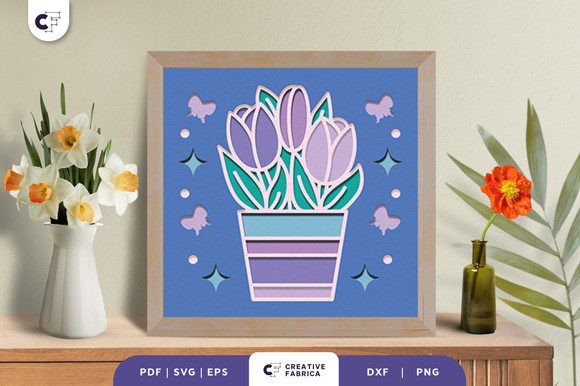
There is a distinct satisfaction in transforming a flat sheet of paper into a scene with depth, shadow, and life. The Potted Rose 3D Shadow Box SVG represents more than just a digital file; it is a blueprint for creating tangible art that captures the enduring romance of rose flowers. For creators, hobbyists, and small business owners, this layered paper cut design offers a perfect intersection of technical precision and artistic expression. It allows you to move beyond standard two-dimensional crafting into the realm of dimensional decor that commands attention.
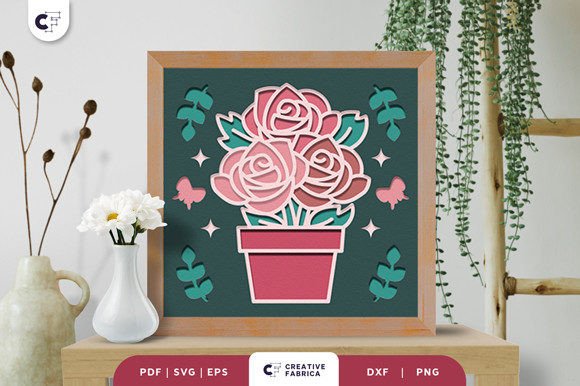
This specific design is a masterpiece of art because it relies on the interplay of light and layering. Each delicate petal and leaf is expertly designed to create a stunning 3D effect when assembled. Unlike simpler cut files that rely on a single pass, this project consists of intricate and colorful details that require patience and a keen eye for alignment. The result is a piece that delights the senses, offering texture and visual interest that changes as the viewer moves around it.
Understanding the Layered Architecture
To truly appreciate the utility of this file, one must understand its structure. The Potted Roses Layered Paper Cut is built upon seven distinct layers. This number is not arbitrary; it provides enough depth to create a convincing illusion of volume without making the assembly process overly cumbersome or the final box too deep for standard framing.
When you download this Flower and Vases Shadow Box, you receive it in a comprehensive suite of formats: SVG, PDF, EPS, PNG, and DXF. This versatility ensures compatibility regardless of your preferred workflow. Whether you are using a Cricut, Silhouette, or a professional laser cutter, the vector data remains crisp. The design measures 20.32×20.32 cm, a standard size that fits perfectly into many off-the-shelf deep-frame shadow boxes, reducing the need for custom framing solutions.
The magic happens during assembly. You will need a digital cutting machine and some craft glue. The process involves stacking these seven layers with spacers between them. This spacing is critical. It allows shadows to fall naturally across the petals, enhancing the perception of depth. Without these gaps, the design would revert to a flat image, losing the very quality that makes it special.
Creative Applications for Diverse Creators
The beauty of a well-constructed SVG lies in its adaptability. Different users can leverage the Potted Rose 3D Shadow Box SVG for vastly different goals, ranging from personal home decor to commercial product lines.
- Home Decor Enthusiasts: For the hobbyist looking to add a touch of floral elegance to their home, this project serves as a weekend centerpiece. By selecting high-quality cardstock, such as the recommended Encore Cardstock 80 lb cover (216 gsm), the finished piece becomes durable and professional-looking. The weight of the paper ensures the layers hold their shape and do not warp over time.
- Small Business Owners: Crafters selling on platforms like Etsy can use this design to create ready-made wall art. The perceived value of 3D paper art is significantly higher than flat prints. By offering customization options—such as changing the pot color to match a customer's kitchen or altering the rose hue for a specific event—you add a layer of bespoke service that justifies a higher price point.
- Educators and Workshop Leaders: This file is an excellent teaching tool for classes on paper engineering and design. It demonstrates how vector layers translate to physical space. Instructors can use it to teach students about tolerance, spacing, and the importance of material selection in achieving a desired aesthetic.
- Event Planners: Consider scaling this design for wedding centerpieces or backdrop elements. While the standard size is intimate, the vector formats (EPS, DXF) allow for resizing. A larger version could serve as a stunning table focal point, while multiple smaller units could create a gallery wall for a bridal shower.
Material Selection and Technical Execution
The success of any layered paper project hinges on material choice. The difference between a good result and a great one often comes down to the cardstock. As noted in the design specifications, all cardstock featured is typically Encore Cardstock 80 lb cover 216 gsm. This specific weight is ideal because it is thick enough to resist bending under its own weight yet thin enough to be cut cleanly by most consumer-grade machines without excessive charring or fraying.
When sourcing materials, consistency is key. If you are producing multiple units for sale, ensure every sheet comes from the same batch to avoid slight color variations. Note that images online are for preview purposes only; the actual final product color may slightly vary due to lighting sources and the paper color. Always order a sample pack if you are unsure about how a specific brand of paper will react to your machine's blade pressure.
For those looking to source the right materials, visiting a specialized supplier is recommended. You can click here to visit the 12×12 Cardstock Shop to find suitable papers. This is a paid link at no extra cost to you, but it directs you to resources that professionals trust for consistent results.
Styling Variations and Color Theory
While the default design captures the classic romance of red or pink roses, the layered nature of the SVG invites experimentation. Because each layer is a separate entity in the digital file, you can assign different colors to specific layers before cutting.
Consider a monochromatic approach where each successive layer is a slightly darker shade of the same color. This creates a subtle gradient effect that enhances the 3D illusion without relying on high contrast. Alternatively, try a "reverse" shadow box where the background is dark and the flowers are light, making the blooms appear to glow against the void.
For a more modern interpretation, swap the traditional green leaves for metallic gold or copper cardstock. This elevates the piece from a rustic craft to a contemporary art object suitable for modern interiors. The potted element also offers room for creativity; instead of a standard terracotta look, visualize the pot as a geometric concrete planter or a woven basket texture by applying patterned paper to that specific layer.
Best Practices for Assembly and Finish
To keep your results clear, effective, and organized, adopt a systematic approach to assembly. Lay out all seven layers in order before applying any adhesive. Dry-fit the pieces to ensure the registration marks align perfectly. Even a millimeter of misalignment can disrupt the visual flow of the petals.
Use foam adhesive squares or strips rather than liquid glue for spacing. Liquid glue can warp the paper and create uneven gaps, whereas foam tape provides a uniform distance between layers. This consistency is what produces the sharp, defined shadows that characterize high-quality shadow boxes.
Finally, consider the lighting environment where the piece will hang. 3D paper art relies on ambient light to cast shadows. A piece hung in a dim corner will lose its dimensionality. Position your Potted Rose 3D Shadow Box SVG creation where natural light or a directed accent light can graze across the surface, highlighting the texture of the petals and the depth of the arrangement.
By combining precise digital tools with thoughtful material selection and creative color strategies, this SVG file becomes more than a download—it becomes a versatile asset in your creative toolkit. Whether for personal joy or commercial venture, the layered paper cut technique offers a grounded, practical way to produce art that feels both handmade and professionally refined.