Creating Depth and Tradition: A Guide to Japanese Kimono 3D Layered Paper Cut Art
The intersection of traditional craftsmanship and modern digital fabrication has given rise to a stunning visual medium known as the Japanese Kimono 3D Layered Paper Cut. This art form transforms flat sheets of cardstock into magnificent shadow boxes that capture the essence of Japanese culture, history, and aesthetic beauty. By utilizing intricate layers of paper, creators can produce a sense of depth and dimensionality that mimics the complexity of hand-carved wood or delicate textile weaving. The result is a tribute to ancestry and artistry, perfect for adorning living spaces with a touch of historical elegance.
The Anatomy of a Multi-Layered Shadow Box
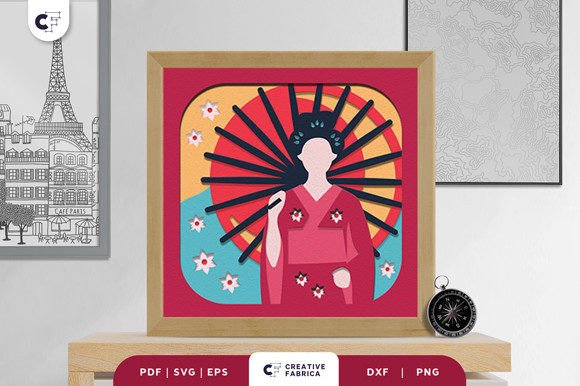
At the heart of this project lies the concept of layering. Unlike traditional two-dimensional papercutting, a Japanese Kimono 3D Layered Paper Cut relies on the strategic stacking of multiple distinct planes to create a three-dimensional illusion. A standard high-quality design, such as the one featuring a woman in a kimono surrounded by floral ornaments, typically consists of nine separate layers. Each layer serves a specific purpose in the visual narrative:
- The Base Layer: Provides the foundational background, often setting the scene with subtle gradients or distant landscape elements.
- The Mid-Ground Layers: These layers introduce the primary subject matter, such as the intricate patterns of the kimono fabric and the surrounding flora.
- The Foreground Layers: The topmost sheets add sharp details, highlights, and the deepest shadows, pulling the viewer's eye immediately to the focal point.
When assembled correctly within a frame of approximately 20.32×20.32 cm (8x8 inches), these layers create a deep recess that allows light to play across the cutouts. The interplay of light and shadow is crucial; it accentuates the curves of the kimono sleeves and the delicate petals of the flowers, giving the static image a lifelike quality. The use of bright, multi-colored graphics ensures that the design stands out, while the specific shade of pink often used for the dress provides a soft yet vibrant contrast against the darker shadows of the deeper layers.
Digital Formats and Cutting Precision
For modern hobbyists and professional creators, the accessibility of this art form is largely due to the availability of digital templates. To recreate a Japanese Kimono 3D Layered Paper Cut, one does not need to draw the design from scratch. Instead, designers provide files in a variety of universal formats to ensure compatibility with different cutting machines and software ecosystems. Commonly available file types include:
- SVG (Scalable Vector Graphics): Ideal for users of Cricut, Silhouette, and other vector-based cutting software. SVGs allow for infinite scaling without loss of quality.
- PDF: A versatile format that can be printed directly or imported into various design programs for manual tracing or cutting.
- EPS (Encapsulated PostScript): Preferred by professional graphic designers using Adobe Illustrator or CorelDRAW for advanced editing capabilities.
- PNG: Useful for preview purposes or for those who may wish to use the image digitally rather than physically cutting it.
- DXF: A CAD format often used for compatibility with older cutting machines or specific industrial plotters.
It is important to note that while digital previews offer a clear idea of the final product, the actual colors may vary slightly depending on the lighting sources in your workspace and the specific brand of paper chosen. This variation is a natural part of the physical crafting process and often adds a unique character to each handmade piece.
Material Selection: The Importance of Cardstock Weight
The structural integrity and visual appeal of a Japanese Kimono 3D Layered Paper Cut depend heavily on the material used. Flimsy paper will sag over time, ruining the 3D effect, while paper that is too thick may be difficult to cut with intricate detail. The industry standard for high-quality shadow boxes is 80 lb cover weight (216 gsm) cardstock. Brands like Encore Cardstock are frequently recommended because they offer the perfect balance of rigidity and cuttability.
This specific weight ensures that the layers stand apart firmly when spaced with foam adhesive or glue dots, maintaining the necessary depth for the shadow effect. Furthermore, 80 lb cover stock holds its shape well within the frame, preventing warping due to humidity changes in the environment. For those sourcing materials, visiting a dedicated 12×12 Cardstock Shop can provide access to the precise color palettes needed to match the vibrant pinks, deep blues, and earthy tones required for an authentic Japanese aesthetic.
Assembly Techniques for Professional Results
Transforming a stack of cut papers into a cohesive work of art requires patience and precision. The assembly process for a Japanese Kimono 3D Layered Paper Cut generally follows a bottom-up approach. Begin by placing the base layer into the shadow box frame or onto the backing board. Before adhering any layers permanently, it is advisable to perform a "dry fit," stacking all nine layers loosely to check for alignment and overall visual impact.
Once satisfied with the alignment, begin attaching the layers using double-sided foam tape or specialized spacer dots. These adhesives are critical as they create the physical gap between the sheets. A spacing of 3mm to 5mm between layers is usually sufficient to create a noticeable depth without making the frame too deep for standard shadow boxes. When applying adhesive, focus on the solid areas of the paper to avoid visible glue spots through the cut-out sections. Work slowly, pressing each layer down gently to ensure it is level and secure before adding the next.
Cultural Significance and Decorative Applications
Beyond its technical merits, this art form serves as a meaningful cultural bridge. The kimono is a potent symbol of Japanese heritage, representing grace, tradition, and the changing seasons. Creating or displaying a Japanese Kimono 3D Layered Paper Cut can be a thoughtful decoration used as a tribute to ancestors or a celebration of Asian art history. The inclusion of floral ornaments further enhances this connection, as flowers in Japanese culture often carry specific symbolic meanings related to life, transience, and beauty.
In terms of placement, these shadow boxes are versatile. They make excellent focal points in a living room, where their intricate details can be admired by guests. They are also suitable for entryways, adding a welcoming touch of color and culture. For educators and researchers, these models serve as tangible examples of how traditional motifs can be reinterpreted through modern making technologies. Business owners in the home decor sector might find these designs appealing for boutique displays or as unique gifts that resonate with customers interested in mindfulness and craftsmanship.
Troubleshooting and Design Considerations
While the process is rewarding, creators should be aware of potential challenges. One common issue is the "bridging" of small details in the inner layers. Because the design relies on negative space, very fine lines in the middle layers must be supported by the layers above or below them, or they may detach during the cutting or assembly process. High-quality templates designed specifically for 3D layering account for this by ensuring structural continuity.
Additionally, lighting plays a pivotal role in the final presentation. A Japanese Kimono 3D Layered Paper Cut looks significantly different under direct sunlight compared to ambient room lighting. Direct light casts harsher shadows, emphasizing the depth of the nine layers, while soft light creates a more ethereal, blended look. Experimenting with the angle of the frame relative to light sources in your home can dramatically alter the mood of the piece.
The Evolution of Papercrafting
The popularity of projects like the Japanese Kimono 3D Layered Paper Cut highlights a broader trend in the maker community: the desire to combine digital convenience with tactile satisfaction. Digital files allow for perfect replication of complex patterns that would take days to draw by hand, while the physical act of cutting, sorting, and gluing retains the soul of traditional handicraft. This hybrid approach democratizes art creation, allowing individuals without formal training in drawing to produce gallery-worthy pieces.
Whether you are a seasoned scrapbooker, a teacher looking for a cultural project, or a homeowner seeking unique wall art, the layered paper cut offers a rich avenue for creativity. The ability to customize colors, swap out background elements, or even scale the design up for larger installations provides endless possibilities. As long as the core principles of layering, material selection, and careful assembly are respected, the resulting shadow box will remain a durable and beautiful testament to the enduring allure of the kimono and the art of paper.